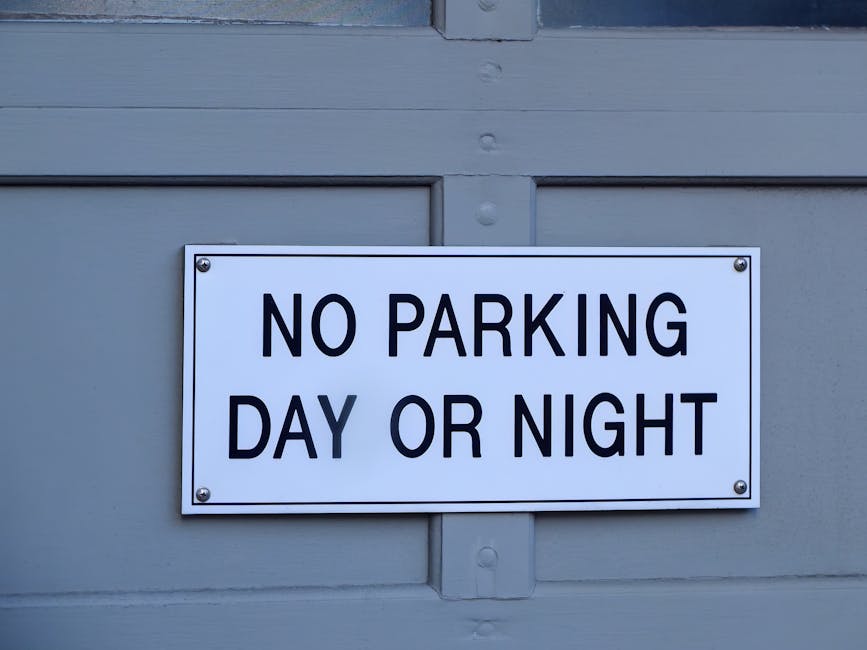
Haringey Council parking rules for Harringay removals: a practical local guide
If you are moving in Harringay, parking can be the part of the day that quietly causes the most trouble. The sofa is booked, the boxes are stacked, the kettle has vanished into a cardboard mystery, and then the van arrives to find no space outside the building. That is where Haringey Council parking rules for Harringay removals suddenly become very important.
This guide explains the common parking issues movers face in Harringay, how to think about restrictions in a sensible way, and what to do before moving day so your removal team can work without unnecessary stress. It is written for real-life moves, not abstract theory. To be fair, that is what most people need at 8am on move day.
Whether you are moving from a flat, a terraced house, or a top-floor conversion with a tight staircase and an even tighter road, a little planning goes a long way. You will also find helpful links to our service pages such as home moves, flat removals, and man with a van if you want to explore the moving side of the job as well.
Why Haringey Council parking rules for Harringay removals Matters
Parking is not just a background detail. For removals, it can shape the whole day. If the van cannot park close enough, your team may need longer carrying distances, more time, extra labour, or repeated trips. That can slow everything down and add avoidable pressure when you already have enough on your plate.
In Harringay, streets can be busy, narrow, and full of parked cars. Some roads feel fine at 7am and completely different by lunchtime. A removal van that seems easy to place on a quiet weekday can become a headache if the timing is wrong or restrictions are ignored. That is why planning for parking is not optional; it is part of the move itself.
There is also a safety angle. When a van is forced into a poor position, it can create awkward lifts, blocking issues, or conflict with neighbours and other road users. A calm, legal parking plan helps the removal team work efficiently and keeps the day less chaotic. And let's face it, moving day is chaotic enough already.
Expert takeaway: The best removal jobs in Harringay are usually the ones where parking was thought about early, not the ones where the driver arrived and "just had to make do".
How Haringey Council parking rules for Harringay removals Works
There is no single one-size-fits-all answer because parking controls can vary from street to street. In practical terms, the rules you need to think about are usually the local restrictions on waiting, loading, bay use, permit zones, and any time-based controls that may affect the road outside your property.
For removal work, the big question is simple: can the vehicle stop legally and safely close enough to the property to load or unload? If the answer is yes, great. If the answer is no, then you need an alternative plan, whether that means adjusting the arrival time, choosing a smaller vehicle, arranging support, or planning a short carry from a lawful stopping point.
Removal vehicles often need a bit more space than a normal car. A compact van may squeeze into a residential street more easily, while a larger lorry or moving truck may need careful positioning. If your move involves bulky furniture, awkward corners, or several floors, the space around the vehicle matters even more. You can see why a service such as moving truck hire or removal van can be useful when matched carefully to the property and street layout.
One practical point that people often miss: parking rules are only part of the picture. Access conditions, footpath width, front-door distance, and the number of items being carried all affect how the job runs. A legal parking spot can still be a poor moving spot if the carry is too long or the pavement is awkward. That tiny detail can make a big difference.
What usually needs checking before move day
- Whether the road has resident, pay-and-display, or time-limited restrictions
- Whether loading is allowed where the van is likely to stop
- Whether there are yellow lines, bay controls, or access limits
- Whether the vehicle size fits the street safely
- Whether neighbours, school runs, or rubbish collection timings could affect access
If you are arranging a bigger household move, it can also help to look at services such as house removals or house removalists, because experienced teams tend to plan these details before they ever lift a box.
Key Benefits and Practical Advantages
Good parking planning is one of those behind-the-scenes things that pays off in several ways at once.
- Less delay: the team can begin unloading or loading without waiting for a last-minute parking fix.
- Lower risk of fines or complaints: using the right stopping place helps avoid unnecessary issues with enforcement or neighbours.
- Better protection for your belongings: shorter carrying distances usually mean fewer opportunities for knocks, drops, or weather exposure.
- Less physical strain: carrying a wardrobe half a street is not anyone's favourite part of the day.
- Cleaner scheduling: a move that starts on time is much easier to manage, especially if keys, lift access, or cleaners are tied to the same day.
Another benefit is peace of mind. Once the vehicle is legally in place, you can focus on the actual move: checking rooms, labelling items, finding the kettle box, and making sure nothing important is left behind. It sounds simple. In practice, that calm matters a lot.
For people moving a single flat or smaller property, a man and van service can sometimes be the neatest fit. For larger jobs, a full crew and a more substantial vehicle may be the better option. The key is matching the vehicle and parking approach to the street, not the other way around.
Who This Is For and When It Makes Sense
This topic is relevant to more people than you might think. If you are moving within Harringay, into Harringay, or out of the area, parking rules can affect you even if you are only shifting a few rooms' worth of belongings.
- Home movers: families, couples, and individuals moving household items.
- Flat movers: especially those in converted buildings, mansion flats, or upper-floor homes with limited front access.
- Students: often moving with tight timing, limited help, and several trips' worth of luggage and boxes.
- Office movers: businesses relocating stock, furniture, or equipment within or through Harringay.
- Same-day movers: people under time pressure, where parking mistakes can be very costly in terms of schedule.
It is also relevant for people arranging specialist items such as pianos or bulky furniture. Those items cannot just be "popped down quickly" if parking is awkward. They need space, planning, and a very steady hand. If that is your situation, the pages for piano removals and furniture removals may be useful alongside this guide.
Truth be told, the earlier you think about parking, the fewer surprises you get on the day. And surprises on moving day are usually not the fun sort.
Step-by-Step Guidance
Here is a practical way to approach Haringey Council parking rules for Harringay removals without overcomplicating it.
- Check the street outside both properties. Look for signs, controlled bays, yellow lines, loading guidance, and any restrictions that may affect van stopping.
- Match the vehicle to the road. A larger truck may be ideal for volume, but a smaller van may be smarter if the street is tight.
- Plan the timing. Early morning may work better than later in the day. That said, some roads are busy with school traffic or trades vehicles, so do not assume too much.
- Decide how close the vehicle needs to be. If the walk from van to door is long, the move becomes slower and harder.
- Prepare for a backup plan. If the ideal spot is unavailable, have a second-best option ready. It is much better than improvising under pressure.
- Tell your movers about any restrictions. Good communication helps them choose the right vehicle and loading approach.
- Keep essentials separate. If the parking issue causes a short delay, you will still want documents, keys, phone chargers, and drinks easy to reach.
If you are moving a whole home, combining good parking planning with proper packing support can make the day noticeably easier. Services like packing and boxes and packing and unpacking services are worth considering if you do not want to spend the night before hunting for tape in a half-packed kitchen.
A small but helpful habit: stand outside the property at the same time of day as your planned move. The street can feel completely different at 9am compared with 4pm. Cars, refuse collections, school runs, delivery vans, all of it changes the picture.
Expert Tips for Better Results
After enough removals, a few patterns become obvious. The people who have the easiest move are usually not the luckiest; they are the ones who thought through the awkward parts early.
- Book the right size vehicle, not the biggest one available. Bigger is not automatically better if parking is hard.
- Use packing discipline. Smaller, well-labelled boxes are easier to move through a narrow carry than a handful of awkward mixed items.
- Protect floors and doorways. If the carry is a bit longer than planned, surface protection becomes even more important.
- Ask about access in advance. If there are stairs, lifts, or a tight entrance, let the team know early.
- Leave a little margin in the schedule. A move with zero flexibility is one parked car away from stress.
For larger moves, it can help to speak with an experienced removal companies page or a service team that understands local access problems and the pace of London streets. That sort of knowledge is often more valuable than people realise. A good mover will not just carry items; they will think about how the street works.
One more small tip: if a resident permit area or loading bay looks confusing, do not guess. Guessing is how people end up making avoidable mistakes. Ask, verify, and keep the plan simple.
Common Mistakes to Avoid
Most removal-day parking problems come from a short list of very ordinary mistakes. The good news is that they are usually avoidable.
- Assuming the van can just stop anywhere for a minute. "Just a minute" is often where fines and complaints begin.
- Ignoring street signs. Signs matter even if the road looks quiet.
- Choosing a vehicle before checking access. A vehicle that is too large can create more trouble than it solves.
- Leaving the parking plan until the morning of the move. That is a stressful habit and, frankly, a risky one.
- Forgetting that unloading is part of parking planning. The new address matters just as much as the old one.
- Not warning neighbours. This is not always necessary, but in tight streets it can be a courtesy that prevents friction.
Sometimes the mistake is subtle. People think they have planned parking because they spotted a space the night before, but by the next morning it is gone. Or a delivery van is there. Or a neighbour's car. London streets are good at changing their mind overnight, aren't they?
Tools, Resources and Recommendations
You do not need fancy tools to manage removal parking properly. You do need a few simple habits and a decent sense of the street in front of you.
- Street observation: look at the road at the time you intend to move.
- Photo notes: take quick photos of signs or bay markings if you need to brief your movers.
- Property measurements: if there are large items, measure doors, hallways, and stair turns before moving day.
- Clear labelling: boxes marked by room save time when unloading from a parked van.
- Trusted movers: use a team that is used to local parking quirks and can adjust the plan sensibly.
If you need storage because parking or access timing means your move has to happen in stages, the storage option may help. That can be especially useful during chain delays, renovation work, or if your new place is not quite ready. It is one of those boring-sounding solutions that can save a lot of grief.
For people moving from university accommodation or into shared housing, student removals can be a good fit because they are often structured around quick access, limited parking, and smaller loads.
Law, Compliance, Standards, or Best Practice
This article is not legal advice, and local parking rules can change. But the general principle is straightforward: you should park and load only where it is lawful to do so, and you should not assume that moving day gives you special exemption from restrictions.
In UK practice, movers are expected to follow road signs, bay restrictions, waiting controls, and any local loading guidance. If a street requires a permit, a bay ticket, or a specific loading arrangement, that needs to be handled properly. For removals, best practice is to plan in advance and avoid relying on last-minute exceptions.
There is also a broader safety duty. Removal work should not create unnecessary risks for pedestrians, neighbours, or the crew. That means parking in a way that avoids blocking sightlines, keeps access safe, and reduces the chance of rushed lifting. Our own health and safety policy and insurance and safety information reflect the kind of care responsible movers should be thinking about.
Best practice in plain English: legal first, safe second, convenient third. If you can get all three, brilliant. If not, convenience should never outrank safety or compliance.
Options, Methods, or Comparison Table
Different move setups call for different parking approaches. Here is a simple comparison that may help.
| Approach | Best for | Strengths | Watch-outs |
|---|---|---|---|
| Small van, close parking | Flats, single-room moves, lighter loads | More flexible in tight streets, easier to position | May require more trips if the load is large |
| Medium removal vehicle | Typical household moves | Good balance of capacity and manoeuvrability | Still needs careful street planning |
| Larger truck | Big house moves or office relocations | Less loading back and forth, more efficient for large volumes | Can be awkward in narrow roads or restricted bays |
| Staged move with storage | Complex timing, access issues, renovation gaps | Reduces pressure on one moving day | Needs more coordination and planning |
If you are comparing moving methods, a sensible starting point is to think about the street first, then the contents. Not the other way around. A modestly sized van in the right place often beats a huge vehicle you cannot park safely.
Case Study or Real-World Example
Here is a realistic scenario. A couple moving from a Harringay flat had booked a fairly standard household removal. On paper, it looked straightforward. The issue was the street: parked cars on both sides, a narrow section near the entrance, and no room for a large vehicle to sit comfortably right outside the property.
Instead of forcing the biggest van possible into the road, the move was adjusted. The team used a more manoeuvrable vehicle, arrived early, and unloaded in a position that reduced carrying distance while staying within the local restrictions. The result was not flashy, but it worked. The boxes came out in order, the sofa stayed intact, and nobody had to improvise in the rain.
That is often how good removals happen. Not by magic. By ordinary, careful choices made before anyone starts lifting.
In another case, a small office move used commercial moves support because the timing and access windows were tight. The parking plan mattered as much as the paperwork, especially when people needed to keep disruption down for nearby businesses and residents.
Practical Checklist
Use this checklist before your Harringay move. It is simple, but it catches the important bits.
- Check the parking signs outside both properties
- Confirm whether loading is allowed where the van will stop
- Decide if a smaller vehicle would make access easier
- Tell the removals team about stairs, lifts, or long carries
- Keep essential items separate and easy to reach
- Ask neighbours or building managers if any access concerns exist
- Plan for school-run traffic, refuse collections, or road clutter
- Have a backup parking spot or fallback plan
- Use clear labels so unloading is quicker
- Leave a bit of time buffer, because something always changes
If your move is more complex than it first appears, it can be worth considering removals support rather than trying to make a low-cost approach do a high-pressure job. That little decision often saves time, bruised backs, and raised voices. Which, on moving day, is a win.
Get a free quote today and see how much you can save.
Conclusion
Haringey Council parking rules for Harringay removals are not the most glamorous part of moving, but they can absolutely shape how smoothly the day goes. A legal, sensible parking plan helps protect your schedule, your belongings, and everyone's patience. It also makes the work safer and calmer, which matters more than people admit at first.
If you remember only one thing, let it be this: plan the parking before the van arrives. Once that is sorted, everything else feels much more manageable. The boxes still need carrying, of course. But the whole day has a better rhythm when the first step is right.
And that is usually the difference between a move that feels like a battle and one that simply gets done.
Frequently Asked Questions
Do I need to check parking rules before a removal in Harringay?
Yes. Parking and loading rules can vary by street, so it is worth checking signs and access in advance. A few minutes of preparation can prevent delays, fines, and extra carrying on the day.
Can a removal van stop outside my property for loading?
Sometimes, but only if the location and time allow it. You need to consider local restrictions, road markings, and whether the vehicle can stop safely without causing a problem for traffic or neighbours.
What happens if the parking space is taken on moving day?
That is exactly why a backup plan helps. Your movers may need to use a different legal stopping point, a smaller vehicle, or a short carry from a nearby location. It is inconvenient, but manageable if planned early.
Is a smaller van better than a large truck for Harringay streets?
Not always, but often it is easier to place in tighter residential roads. The best choice depends on the amount of furniture, the layout of the street, and how close the van needs to be to the property.
Do parking problems make a move more expensive?
They can, because more time and more carrying usually mean more labour. The exact impact depends on the job, but poor parking planning is one of the easiest ways to make a move less efficient.
Should I book removals and parking planning together?
That is usually the smartest approach. When the removal team understands the parking situation from the start, they can choose the right vehicle and timing rather than reacting on the day.
How far in advance should I think about parking for a move?
Ideally as soon as you know your moving date and address. Even a basic street check a few days ahead is better than leaving it until the morning.
What if my building has awkward access or stairs?
Tell your movers early. Stairs, lifts, narrow hallways, and long carries all affect the parking and vehicle plan. It is much easier to prepare for these things than to discover them halfway through a wardrobe lift.
Are student moves treated differently?
The parking rules themselves are not usually different, but student moves are often smaller, quicker, and more dependent on short-term access. That is why a compact vehicle and a simple plan often work best.
Can storage help if parking makes the move complicated?
Yes. If timing is tight or the access at one property is awkward, storage can break the move into easier stages. It is not always needed, but it is a very practical fallback.
What should I tell my removal company before the move?
Tell them about the street layout, restrictions, vehicle access, stairs, lifts, and any worries you have about parking. A good team can only plan well if they know what they are working with. Simple as that.
Can Haringey Council parking rules affect office removals too?
Absolutely. Office relocations often involve larger loads, tighter schedules, and more people depending on the move going smoothly. Parking can be just as important for office work as it is for home removals.
If you are still weighing up your options, the best next step is to speak with a mover who understands local access, vehicle choice, and the practical realities of Harringay streets. A short conversation now can save a lot of fuss later. And honestly, that is usually worth doing.