Stairs access problems Harringay removals solutions
Posted on 30/06/2026
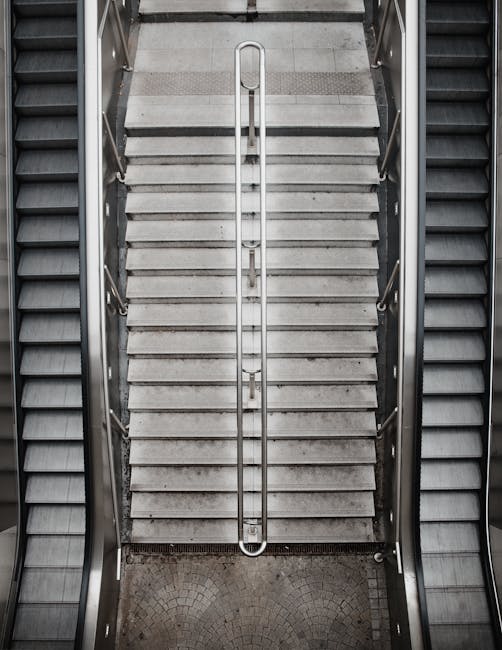
Stairs access problems Harringay removals solutions: a practical guide for moving safely, smoothly, and without drama
If you are planning a move in Harringay and already know the staircase is going to be the awkward bit, you are not alone. Narrow landings, steep flights, split-level flats, tight corners, and heavy furniture can turn a straightforward removal into a slow, sweaty puzzle. The good news is that Stairs access problems Harringay removals solutions are very manageable when they are planned properly. With the right assessment, packing approach, lifting method, and vehicle setup, even tricky access can be handled in a calm, efficient way. This guide breaks down what actually works in real homes and shared buildings, and what to avoid if you want the move to stay under control.
To be fair, the stairs are rarely the whole problem. It is usually the mix of stairs, parking, timing, fragile items, and a bit of last-minute optimism. Let's fix that.
Why Stairs access problems Harringay removals solutions Matters
Stairs access matters because it affects almost every part of moving day: safety, time, cost, damage risk, and stress. A sofa that looks perfectly manageable in the lounge can suddenly become awkward the moment it reaches a narrow staircase. A mattress can bend too much. A wardrobe can catch on a banister. A box that was packed too heavily can feel twice its weight after the third flight. That is the reality.
In Harringay, the issue often shows up in older terraces, converted flats, maisonettes, and walk-ups. Some buildings have slim stairwells and landings that force movers to turn items at an angle; others have low ceilings at the top of the stairs or a front door that opens into almost no hallway at all. If you ignore those constraints, moving day can drag on, and that usually means more handling, more lifting, and more chance of scuffs to paintwork or damage to items.
There is also the neighbour factor. Shared staircases and communal halls need a little extra care. Nobody enjoys blocking a narrow landing while a chest of drawers is rotated for the third time, especially if someone needs to get past with a buggy or shopping. A good plan respects the building, the people in it, and your belongings.
If your move includes fragile or specialist items, it becomes even more relevant. For example, a heavy instrument is not something you want to wrestle up a narrow staircase on a guess. In those cases, specialist handling such as piano removals in Harringay can make the difference between a controlled move and a very expensive mistake.
How Stairs access problems Harringay removals solutions Works
The basic idea is simple: you assess the access route before the move, match the right vehicle and crew to the building, and then handle each item in the safest order possible. In practice, that means looking at width, headroom, turning space, stair pitch, handrails, parking distance, and whether any items need to be disassembled before they even leave the room.
The best removals teams do not just arrive and hope for the best. They ask questions early. How many flights? Are there internal or external stairs? Is the property a top-floor flat? Can a van park close to the entrance? Is there a lift, and if so, is it usable on moving day? These little details shape the whole plan.
Then comes the lifting strategy. On a difficult staircase, movers may use shoulder straps, blanket wrapping, corner protection, and careful two-person coordination. Sometimes one item needs to be carried upright, then tilted, then rotated at the landing. That sounds fiddly because it is. But a controlled technique is far better than brute force.
Planning also changes the loading order. A good team will usually move larger items in a sequence that reduces congestion on the stairs and avoids blocking the route with boxes. In a busy building, that can save real time. If you have only a few items and a small set of stairs, a flexible option such as a man and a van in Harringay may be enough. For fuller households, the broader support of removal services in Harringay is usually the safer route.
One thing people often miss is the role of packing. Good packing reduces snagging, shifting, and breakage. If your boxes are overfilled, or your furniture is left loose with doors swinging open, the staircase becomes the enemy. Good packing makes the physical handling easier, which sounds obvious, but it is surprising how often it gets overlooked.
Key Benefits and Practical Advantages
When stairs access is handled properly, the benefits are not subtle. The whole move feels calmer, and you usually protect both your property and your nerves.
- Less risk of damage: careful planning reduces knocks to walls, banisters, and furniture.
- Faster moving day: fewer delays on the stairs means smoother loading and unloading.
- Lower strain on everyone: the right equipment and technique reduce physical stress.
- Better protection for fragile items: items are packed and carried in a way that suits the access route.
- More accurate scheduling: a realistic plan makes timing less chaotic.
- Less disruption to neighbours: shorter bottlenecks in shared spaces mean fewer awkward moments.
There is also a financial benefit, even if it is indirect. Mistakes on stairs can lead to breakages, unnecessary delays, extra labour, or a second trip. If you are comparing providers, it makes sense to look beyond the headline figure and understand what is actually included. If you want a clearer sense of pricing structure, the page on pricing and quotes is a sensible place to start.
Expert summary: In stair-heavy moves, preparation matters more than muscle. A measured access plan, a realistic vehicle choice, and proper packing will usually do more for the outcome than rushing or overloading the day.
Who This Is For and When It Makes Sense
This kind of solution is for anyone moving in or out of a property where the stairs are not straightforward. That covers a lot of people in Harringay, honestly. You might be a tenant leaving a top-floor flat, a homeowner relocating from a terraced house with a tight hallway, or a landlord helping a new occupant move in without damaging the common parts.
It is especially useful if:
- the staircase is narrow or steep
- there are sharp turns or small landings
- your furniture is bulky, old, or awkwardly shaped
- you need a same-day or time-sensitive move
- you are moving from a flat above street level
- the building has limited parking or loading access
- you want to avoid damage in a shared stairwell
For smaller moves, a lighter setup can be enough. For example, students or one-bedroom renters often do well with a flexible van-led approach, while families and full-house moves usually need a fuller team. If you are in a compact flat and the stairs are the main challenge, flat removals in Harringay can be a better fit than a generic one-size-fits-all service.
Same goes for people moving on a tight deadline. A staircase problem becomes more manageable when the mover already understands the pressure. If you are working to a hard handover time, you may need support from same-day removals in Harringay rather than trying to improvise at the last minute.
Step-by-Step Guidance
Here is the approach that tends to work best in real life. Not fancy. Just practical.
- Assess the access properly. Measure the staircase, doorway widths, landing space, ceiling height, and any tight corners. If possible, walk the route with your mover in mind.
- Identify problem items early. Sofas, wardrobes, beds, mirrors, and appliances often need extra planning. Do not leave these as a surprise on the morning of the move.
- Decide what can be dismantled. Removing legs, doors, shelves, or headboards can make a big difference. Sometimes that one step saves ten minutes of wrestling. Sometimes more.
- Pack for lifting, not just storage. Keep boxes at manageable weights, seal them properly, and use padding to stop items shifting inside.
- Reserve a suitable vehicle. A van that is too small means extra runs; a van that is too large may not be practical for parking or access. It should match the property, not the wish list.
- Protect the route. Use blankets, covers, and careful handling on bannisters, corners, and floors.
- Load in the right sequence. Put the most awkward and heaviest items on first if the access route allows it, then finish with the boxes and lighter pieces.
- Leave a buffer. On a stair-heavy move, delays are normal. Build in extra time so one tricky item does not throw off the entire day.
A small but useful habit: photograph the staircase and tricky corners before moving day. It helps everyone visualise the route. A quick phone photo can save a long conversation later. Weirdly effective, that one.
Expert Tips for Better Results
After enough moves, a few patterns become obvious. The first is that access problems are easier to solve before the van arrives. The second is that poor packing creates half the drama. And the third? People tend to underestimate the awkwardness of the top landing. Every time.
Here are the tips that genuinely help:
- Use smaller boxes for books and heavy kitchen items. A small box that is properly packed is far easier to carry up stairs than a giant box that looks innocent and then ruins your afternoon.
- Keep pathways clear. Shoes, laundry baskets, and random storage boxes on the stairs slow everything down. Clear the route completely.
- Wrap corners and sharp edges. Banisters, TV units, and table legs benefit from extra padding.
- Disassemble before the move starts. A bed taken apart in advance is much easier than one that is halfway unscrewed while the van waits outside.
- Label rooms clearly. That matters more than people think, because a cluttered landing is no place for guesswork.
- Tell the mover about access quirks. A low ceiling at the top of the stairs, a hidden step at the entrance, or a parking restriction all change the plan.
If you are choosing between providers, look for a team that explains the process in normal language. The best movers do not just say "no problem"; they explain how they will handle the issue. That transparency matters, and so does trust. You can usually get a feel for how a company works by reading its services overview and about us pages.
Another useful sign is whether the company takes safety and insurance seriously. If they do, they will usually be comfortable discussing how they protect both your items and the building. That is the sort of quiet confidence you want.

Common Mistakes to Avoid
Most stair-related moving problems come from a handful of avoidable mistakes. Once you know them, they are easy to spot. Harder to ignore, too.
- Underestimating the staircase. "It's only one flight" can still mean a tight bend, a low ceiling, and a bulky wardrobe that refuses to cooperate.
- Overpacking boxes. Heavy boxes are the quickest way to slow down a move and raise the chance of injury.
- Leaving disassembly too late. If furniture needs tools, do it before the move begins.
- Not checking parking or loading space. A perfect moving plan can be spoiled by nowhere to stop the van.
- Forgetting about shared access. Communal halls, fire doors, and neighbour movement need consideration.
- Assuming all movers handle stairs the same way. They really do not. Experience makes a noticeable difference.
One more thing: do not hide the tricky bits from the company to keep the quote lower. That backfires more often than people expect. If the staircase is difficult, say so. It usually leads to a better plan and fewer surprises later. For broader guidance on getting fair, transparent moving costs, it is worth reading competitive prices alongside this guide to avoiding hidden removals fees in Harringay.
Tools, Resources and Recommendations
You do not need specialist kit for every move, but the right tools make stairs much less troublesome. In practice, a good removal team may use protective blankets, straps, trolleys, floor coverings, and corner guards. Those are not luxuries. They are what keep a difficult route manageable.
Here is what helps most:
- Furniture blankets: reduce scuffs and make awkward turns safer.
- Strapping or lifting aids: useful for heavier items on stairs.
- Strong tape and labels: keeps boxes secure and organised.
- Basic tool kit: handy for dismantling beds, shelving, and table legs.
- Door and corner protection: important in narrow hallways or older properties.
- Storage options: useful if access limitations mean the move needs to happen in stages.
For people whose move needs a flexible vehicle setup, a dedicated man with van in Harringay arrangement can be practical. If you are moving more than a few items but do not need a full-scale team, that can strike a sensible balance. For bulkier household moves, especially where stairs are involved, a removal van in Harringay with the right loading setup is usually more efficient.
And if your timing is a bit messy because keys are late, decorating is unfinished, or you need to split the move, temporary storage in Harringay can take a lot of pressure off the day. Sometimes the simplest solution is not to force everything through one staircase in one go.
Law, Compliance, Standards, and Best Practice
For a normal home move, the main point is not to turn this into a legal lecture. Still, there are sensible UK moving-day expectations worth respecting. Shared buildings often have rules about access times, lift use, fire routes, and damage prevention. Landlords and managing agents may also expect common parts to be left clean and unobstructed. None of that is glamorous, but it matters.
From a safety point of view, best practice is straightforward: do not overload items, do not block emergency routes, and do not take unnecessary risks on stairs. If a particular item cannot be moved safely, it is better to pause and rethink the method than to force it. That is not caution for the sake of it; that is just good practice.
Professional movers should also operate with clear safety procedures, appropriate insurance, and careful handling standards. If you are comparing companies, look for evidence that they treat safety as part of the service rather than an afterthought. The pages on insurance and safety and health and safety policy can help you understand the kind of standards a responsible provider should be willing to discuss.
Accessibility is another part of the picture. Good moving practice should not make life harder for people with mobility issues, children, or neighbours using the same staircase. In a busy London street, that's not a small thing. It is everyday courtesy, really.
Options, Methods, or Comparison Table
Different access problems need different levels of support. Here is a simple comparison to help you decide what fits your move.
| Option | Best for | Strengths | Limitations |
|---|---|---|---|
| Man and van | Smaller moves, a few items, lighter access challenges | Flexible, efficient, often cost-conscious | May not suit large households or many stairs-heavy items |
| Full removal service | Family homes, larger flats, complex access routes | More hands, more planning, better for heavy lifting | Usually more involved and may cost more |
| Removal van with helpers | Medium-sized moves with tight stair access | Good balance of capacity and practicality | Still needs clear access planning |
| Storage plus staged move | Moves split by timing, keys, or building access | Reduces pressure and avoids rushed lifting | Involves extra coordination |
There is no single winner here. The right choice depends on the property, the items, and how much physical handling the stairs are likely to demand. A smaller move might work perfectly with a straightforward van service, while a top-floor flat with a big sofa and a heavy bed frame often needs a more complete approach.
Case Study or Real-World Example
Picture a typical Harringay move: a first-floor flat over a shop, narrow staircase, small landing, and a sofa that looked fine in the living room but not so fine once it reached the bend in the stairs. There is a wardrobe that needs its doors removed, a mattress wrapped in covers, and a few boxes of books that became far too heavy because someone packed them with the optimism of a powerlifter.
The solution is not dramatic. It starts with a brief access check, then the furniture is measured and the biggest items are identified first. The sofa is protected and moved in a controlled angle. The wardrobe is partly dismantled. Boxes are redistributed so no one is carrying an unreasonable load. The van is positioned as close as the street layout allows, and the team works in a clean sequence rather than in a rush.
The result? Less traffic on the stairs, fewer pauses, and a move that feels organised instead of chaotic. You still sweat a bit, naturally. Moving is moving. But the day finishes without the stomach-dropping moment where a table leg catches the wall or someone mutters, "This seemed smaller yesterday."
That kind of outcome is exactly why stair-specific planning matters. It turns a problem into a process.
Practical Checklist
Use this checklist before moving day if stairs access is part of the challenge.
- Measure stair width, landings, and door frames
- Check ceiling height at the top and bottom of the staircase
- Confirm whether furniture can be dismantled
- Pack heavy items into smaller boxes
- Protect mirrors, glass, and delicate finishes
- Clear all stairs and hallways of clutter
- Confirm parking or loading arrangements
- Tell the mover about any tight bends or low clearance
- Decide whether storage is needed for part of the move
- Keep tools, tape, and labels ready
- Double-check key collection and access times
- Plan for neighbour access in shared buildings
It is a simple list, but simple is good. Especially on moving day, when everyone is carrying something and the kettle somehow ends up in the wrong box.
Conclusion
Stairs access problems do not have to turn your Harringay move into a battle. With the right preparation, the right vehicle, sensible packing, and a mover who understands awkward access, the whole process becomes much more manageable. The key is to treat the stairs as part of the plan, not a detail to sort out later.
If you are comparing options, keep your eye on practical fit rather than just the cheapest line on the page. A well-planned move saves time, protects your belongings, and reduces stress in a way that is honestly hard to appreciate until you are halfway up a narrow landing with a wardrobe that has become an architectural problem. A good team makes that feel a lot less dramatic.
Get a free quote today and see how much you can save.
When you are ready, take the next step calmly. The right moving plan can make even a difficult staircase feel like just another part of the route, and that is a reassuring place to be.
![Professional Movers Services at Unbeatable Prices in [LOGO_TITLE]](../../pub/actonmovers-banner.png)